



First aid for PMS
Do you experience fatigue, bloating, tender breasts, cramps, mood swings, or depression every month? You are not alone. Approximately 70% of all women experience one or more symptoms of premenstrual syndrome, better known as PMS, every month.
What symptoms are included in PMS?
The most common physical complaints are:
- sensitive breasts
- bloating
- fatigue
- headache
- joint or muscle pain
- cravings for sweet or carbohydrate-rich foods (e.g. chocolate, grain products, etc.)
The most common emotional complaints are:
- mood swings
- irritability
- fear
- depressive feelings
- difficulty concentrating
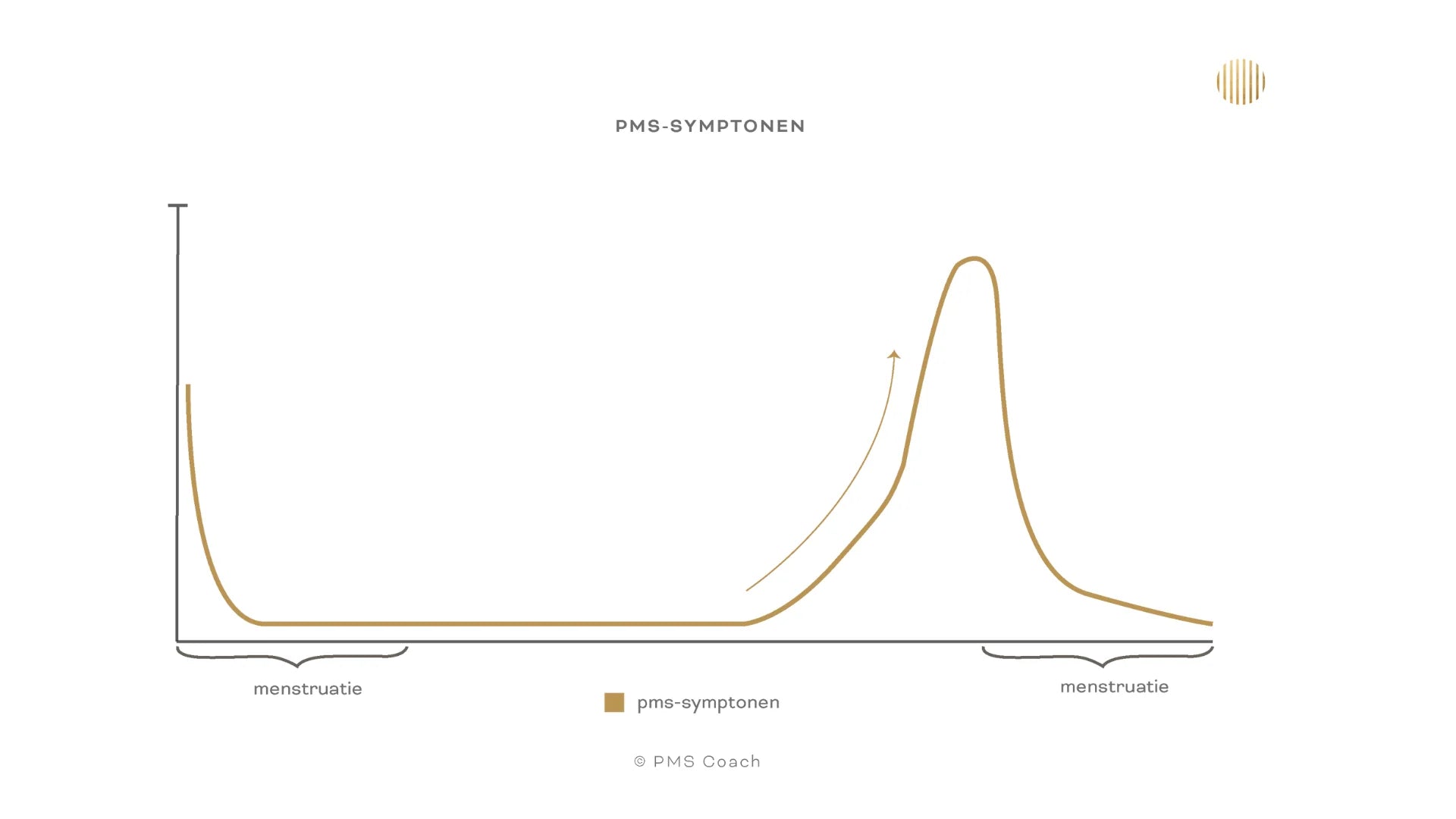
PMS symptoms often start mild and worsen as your period approaches.
Within a few days of the start of your bleeding, the symptoms will disappear and you will be completely yourself again.
What can you do about PMS?
One of the first things that helps reduce PMS symptoms is adjusting your lifestyle, especially if they are mild. Getting enough sleep, exercising, and eating healthy have a huge impact on both our physical and mental well-being. Supplements can be a valuable addition to this.
During the period before your period, it can be extra difficult to pay enough attention to your lifestyle, but that is precisely when it is extremely important to work on it.
Stress also causes more intense symptoms during your luteal phase (the period before your period). Avoiding stress or incorporating relaxation and self-care into your routine is therefore incredibly important.
Research shows that alcohol, caffeine, and nicotine can worsen premenstrual symptoms. Alcohol and caffeine can make you feel more anxious and panicky, while nicotine can make you more likely to experience cravings. In other words, avoiding these substances can help you feel better.
Severe PMS
Are your emotional PMS symptoms predominant? Then you might have a severe form of PMS called PMDD. This is a mood disorder linked to the menstrual cycle. The abbreviation PMDD stands for Premenstrual Dysphoric Disorder.
Do you experience fatigue, bloating, tender breasts, cramps, mood swings, or depression every month?
You're not alone.
Approximately 70% of all women experience one or more symptoms of premenstrual syndrome, better known as PMS , every month.
